Episode 144: How Housing, Infrastructure, and Development Actually Work in Skokie with Johanna Nyden


In this episode, Aaron sits down with Johanna Nyden, Community Development Director for the Village of Skokie, for a grounded conversation about how housing, infrastructure, and development actually work at the local level. They unpack what’s really driving housing costs, the realities of aging housing stock, why permitting can feel frustrating, and how municipalities balance growth, safety, and affordability. Johanna also shares insight into “missing middle” housing, infrastructure constraints, and what it takes to keep communities livable as costs rise.


Aaron Masliansky sits down with Johanna Nyden, Community Development Director for the Village of Skokie, to explore how local government navigates housing, infrastructure, and development in a built-out suburban community.
This conversation goes beyond headlines and breaks down the real-world constraints that shape housing supply, affordability, and the built environment.
In this episode, we cover:
- What a Community Development Director actually does day to day
- Why housing costs are rising—and what municipalities can and cannot control
- The impact of aging housing stock and infrastructure on homeowners and communities
- How permitting and inspections work behind the scenes (and where friction comes from)
- What people often misunderstand about the building process
- The reality of “missing middle” housing and why zoning isn’t always the issue
- How infrastructure limitations (water, sewer, electrical) shape development decisions
- The tradeoffs between affordability, safety, and building codes
- The role of technology and AI in permitting and municipal workflows
- Short-term rentals, ADUs, and evolving housing policy
- Why more people are staying in their homes—and what that means for inventory
- How Skokie is planning for the future while managing legacy systems
Key takeaway:
Housing challenges aren’t driven by a single issue. They are the result of overlapping constraints—costs, infrastructure, policy, and market forces—that municipalities are working to balance every day.
Thank you for listening to The Chicagoland Guide.
For thoughtful, data-driven insights on living, working, and investing in Chicagoland, visit thechicagolandguide.com.
Connect with Aaron Masliansky on LinkedIn for market updates and new episodes.
If you have questions, ideas, or topics you’d like covered, feel free to reach out.
If you found this episode valuable, consider subscribing and sharing it with someone who cares about Chicago and its future.
Aaron Maslansky (0:01): Welcome to The Chicagoland Guide. I'm your host, Aaron Maslansky. Today, I am sitting down in Village Of Skokie Village Hall with Johanna Naiden. Johanna is the Community Development Director here, and this is also my former place of employment for many, many years ago when I was an intern for the Village, and I'm also a resident here for many years. So thank you for joining me.
Unknown Speaker (0:23): Welcome back.
Aaron Maslansky (0:24): Thank you. Thank you so much. So, Johanna, I saw a post that you had on LinkedIn recently about, you know, all the different types of costs that communities are coming up against with infrastructure, housing, all these different types of things. And I'm like, my God, like, we need to sit down and talk, and because I feel like you live it every day, and you have great perspective that I wanna be able to share with the audience. But before I do that, like, give us a little bit of a background of, you know, how you came to this role and how you know so much about it.
Johanna Naiden (0:57): Okay. So I years ago, I wanted to be a physical anthropologist. I studied effective physical anthropologists. I studied dead things, dead people, dead dead past human cultures. It was fascinating understanding paleopathology experiences of how people lived in spaces, particularly medieval Europe.
Johanna Naiden (1:20): And something clicked senior year of college where I was not sure I wanted to go get a PhD and and take the academic path because that was that was sort of the path that you had to take if you were inter continue to be interested in those things. And I had an internship where I learned about how the built environment impacted the health of people. When you have places you can walk to, short distances, long distances, bus, transit, bike, walking, all the things, how the way in which we design or build environment impacts people's health outcomes. And this was over twenty twenty five years ago at this point. I was just fascinated.
Johanna Naiden (1:58): I fell I fell in love with this idea that, gosh, I love learning about how past human cultures lived, but I could I could have a I can help move the needle on current human culture and current ways in which people live. That if you can advocate to get sidewalks in places or bike bike routes, give people more access to transit, that they could be healthier. We were starting to come upon at that point the obesity epidemic Sure. That there were ways in which we could change the influence. So I end up pivoting from thinking I would go get a PhD in physical anthropology and started looking at at urban planning programs.
Johanna Naiden (2:32): And so you we happened to be home in Chicago to one of the top urban planning programs in the country, UIC. I've been working at a non for profit. I'm sort of paraphrasing a couple years here. Worked at the not for profit for a couple years and then went to school for city planning at UIC, University of Illinois Chicago. Got my degree.
Johanna Naiden (2:50): I was laid off in the Great Recession after working for a development consulting firm for a little bit. That was a transformative experience unto itself being laid off and humbling. And this job in Evanston opened up. And I was like, Okay, I'll go do that for a couple of years. I'll see what working in local government looks like.
Johanna Naiden (3:04): And I absolutely fell in love with it because no two days are the same. You get to help. At that point, was working in Evanston. That was the community I'd grown up in. I had a great city manager that I was working for at the time.
Johanna Naiden (3:16): I really enjoyed that experience. It turns out I was pretty good at what I was doing. They put So I started off as an economic development planner. Then I was promoted to manager, economic development manager. And then I was later promoted to community development director.
Johanna Naiden (3:29): So by the time I left, was leading a department of about 35 or so. And then the job in Skokie opened up. And after about almost thirteen years in Evanston, I was ready for, you know, new challenge, new community, new new opportunities.
Aaron Maslansky (3:41): Yeah. And there's so many different there's so many differences between the two communities, between Skokie and Evanston, but there's so much in that is similar, and, obviously, they border each other. You know, my original podcast, Inside the Skev, really kind of leaned into that. What are some of the things that you noticed that, like, are the opportunities that you can find here in Skokie? Because sometimes, you you look at Evanston, you have the lakefront, you have, like, a real downtown with, like, a lot of transit there.
Aaron Maslansky (4:10): So how do you translate what was working there to what you can what you've been doing here in Skokie?
Johanna Naiden (4:15): So I think I think that, you know, the big the big things that I see here is I mean, I was I was sort of thinking, oh, I like rinse and repeat. You know, there's some things that are similar. We're we're geographically super close. But the things I see that are different, but also the things that I think work work here is people have a lot of pride that is probably untapped civic pride, community pride. There's things that you talk to people.
Johanna Naiden (4:39): Skokie is an intentional choice. They love Skokie. Evanston's an intentional choice. Love that. People love Evanston.
Johanna Naiden (4:44): The identity that people have around their version of who they are in Skokie, the different sub neighborhoods. I think that's something that's been a real nice opportunity to try to build up and help identify building the main street corridor. We have corridors. We have less maybe neighborhood business districts that are surrounded by transit, but we have these corridors that reflect different patterns of development. Old Orchard.
Johanna Naiden (5:06): Old Orchard continues to have new iterations of development. The the pocket of offices that are around the Old Orchard exit on the Edens, that's transforming. We have the Henry. We have Old Orchard Towers being transferred to residential. The multiuse path that's coming through, that is a tran there there's a transformative neighborhood that is that is gonna be look very different when the residential coming to Old Orchard, it's gonna look very different in the next five ten years.
Johanna Naiden (5:29): And those are the kinds of opportunities that I didn't necessarily get at Evanston because Skokie has such strong place making potential. We were founded at a time where sure the car was important, but it wasn't as king as it is as you move further west or Southwest. We have this compact nature that can create this place for walking, biking, and cars, and maybe even transit.
Aaron Maslansky (5:53): Right, and we also have areas that can be transformed, the area around Old Orchard. So like The Henry was the former Portland's Memphis offices, and I mean, they were looking to sell for a long time, and it ended up being housing, and it's a pretty good use over there. And then you have the different offices that are more antiquated. Yesterday, I was with the Chicago Association of Realtors. I'm on this global real estate council, and every year we do a development tour, and this year was more on economic development around Chicago.
Aaron Maslansky (6:26): So we went to Inglewood and saw an area that is being redeveloped by a community organization. Then we went to the United Center and saw what's going on with the 1901 project, where they're gonna be really transforming all those parking lots into a whole another neighborhood. And then we went down to the Loop on LaSalle, the old the Fields Building, which was the Marshall Fields offices. And half of that building, at least, is gonna be transformed into apartments. So that's like a microcosm of what's going on because of just the changing pattern of development.
Aaron Maslansky (6:59): And I feel like in Skokie, we have a lot of those same things. Like, you could just do a tour around Skokie about all the different changes that are taking place because we have those that space. And and one of the things that is such a challenge right now, I'd say, you know, in my line of work being a real estate agent, is housing prices. And that has just been, you know, the talk of, you know, international news about housing prices and inflation, how things are so expensive and you can't find anything. So where do you see the opportunity of what Skokie is doing?
Aaron Maslansky (7:30): And and I I mean, we we're talking about it with these apartments, but, like, how do you see things playing out?
Johanna Naiden (7:34): So I I think Skokie is, like, incredibly attractive right now. I mean, I I think I said it in my interview, West Elm has done you know, there's probably the West Elm effect. People like the mid century modern, the post World War two look. Mhmm. They're into it.
Johanna Naiden (7:48): They like the bricks. They like the split level, the the the open floor format that is kind of already inherent in that living. So Skokie's well positioned for that experience. So we see homes that are available for five minutes or don't even make it to the market because somebody in the neighborhood, people love where they live. They really love where they live.
Johanna Naiden (8:08): I look at how many block parties come through Skokie. People love and I see pictures. I don't directly involve myself with the block parties at a different part of the organization. But people are so proud of their block parties. They love to come together as a community.
Johanna Naiden (8:23): They love what happens. And so I think people what I see is that people really they're craving that community experience. And and much of what Skokie has to offer, it's set up well for that because people want want those things. And so they wanna stay in their home or they wanna stay in their neighborhood. So when homes open up, there there's inner moving within those spaces without even being open up to the broader market.
Johanna Naiden (8:45): But one of the things that our updated housing comprehensive our comprehensive plan, the housing chapter, which is the plan that gives us the vision for how we want to see ourselves in the future. That plan talked about making sure homes are adaptable and buildable and flexible to the changing needs. So one of the thoughts there is a lot of three bedroom, two bath houses. How do people who have a couple of kids, maybe a home office, how do you live in that space? How do you add an addition?
Johanna Naiden (9:12): How do we not make it an incredibly it's an expensive process to begin with. How do we ease some of that tension and strain from the building and public side? We want people to invest in their homes. We also want to make sure that people don't come away from the process feeling like they had to have a third, second or third job to function to get to build their home out, to to be their dream home. It didn't come at a emotional toll or cost.
Johanna Naiden (9:36): We're we're working to figure out how we how we do those things too.
Aaron Maslansky (9:39): Right. I mean, definitely part of that is just the the reality of construction costs. And I think that's something that people, you know, when they go and buy a house, they don't realize also that the infrastructure's old if it's an old house. So you have old sewers, you have old water lines, you have old electrical, so there's quite a bit that needs to take place if it hasn't taken place already by the previous owners. Yeah.
Aaron Maslansky (10:02): And also, I know that a lot of people are talking about the missing middle and how communities don't have that, basically, a lot of towns were master planned in the nineteen sixties, seventies, eighties, and you you didn't have, like, this natural iteration of, okay, maybe some half duplexes, some townhouses, apartment buildings, condos, like, just a mixture. And Skokie, I feel like, does have that. I mean, Skokie is very much has the middle housing.
Unknown Speaker (10:33): That's right.
Aaron Maslansky (10:34): How do we how do we increase that? How do we and and what are some of the different programs? Like, you're trying to make it easier for people to come through and and make those renovations, but what are some of the things that Skokie's talking about doing?
Johanna Naiden (10:46): Sure. So it's interesting, Brad, the missing middle. We do we if you look at our zoning map compared to many other suburban inner ring suburban communities, we have far more multifamily housing districts than most inner ring suburban communities. And so one of the tools that advocates for missing middle housing are trying to deploy is require multi family zoning in more extensive multi family zoning. We have it.
Johanna Naiden (11:12): So challenge isn't necessarily solved by zoning more missing middle housing. It's some it is a financial one. It's how do you bring down the cost? How do you in Skokie's case, we think a lot about how do we provide rehab dollars for townhomes and some of those those two flats that were built quickly after World War two or those four plexes. Those are great apartments.
Johanna Naiden (11:34): Those are great starter spaces. We know anecdotally some families own them and they often different parts of it. You know, grandma and grandpa live in one, mom and dad live in another, adult son, daughter live in a different one. Those are great opportunity spaces. Those are great ways to help people build equity and wealth.
Johanna Naiden (11:50): But we also know that spending money on those spaces is not as easy and routine. People are doing the the minimal work to keep those things. And then they get, you know, the scary, oh my gosh, my sewer lateral has collapsed. I have to replace it. We have lead service lines that need to be replaced all throughout Skokie.
Johanna Naiden (12:09): Are making decisions about whether they would want to do that or not proactively or as we as the village comes through and we can do a cost share approach as we replace the water lines. We have a we have the ability to help people replace those that infrastructure but you know, think one part for us, for Skokie, adding the missing middle is helping provide rehab opportunities. So, those two and three flat four four four plexes are attractive to making those nicer weather weather weatherization of windows, more energy efficiency. Some of those properties have very clear lines to the sky and would be great for solar panels or at least solar panel ready. But that's a very expensive endeavor if you are just somebody who owns a home and you're trying to balance what do I spend money on right now and the cost of construction or where even to begin.
Johanna Naiden (12:59): Because how many of us homeowners decide, gosh, I guess I'm going to be a general contractor to find the right person to do the work. So that's a pretty big lift. Think also being open to the idea that townhomes and some of those smaller lot homes and housing styles are totally acceptable, and they're actually the way people wanna live. How many of us who own have a little little yard or or whatever are are just encumbered by maintenance? Lawn care, upkeep of outside spaces is not necessarily in the the the cards for some people who have nine to five jobs or travel or families, and and that's that's a challenge for people.
Aaron Maslansky (13:41): Right. Like, I I mean, personally, I prefer not to have that to deal with and have a better house have an attached garage and things like that with newer, relatively newer infrastructure, and I think that that's something where I see some of these houses where I walk into them and they maybe were updated, but, like, not the the real parts. I always ask, like, okay, like, did they do the sewer? Did they do the water? I look for it.
Aaron Maslansky (14:10): And the better thing almost would be if these, if people will come in, developers will come in and say, Okay, I'm gonna buy these three houses, and I'm gonna build six townhouses right here. And then you have something brand new, the people who own the place are able to get out, because many times it's people who've lived in the houses for forty, fifty years, and they don't know where to go. And, you know, I think that's part of it. Like, we have such a lockup of inventory, and it's not just Skokie, but like, okay, if I'm gonna sell my house that I've lived forever, I still wanna be in this community. Like you were saying, people love being in their neighborhood.
Aaron Maslansky (14:45): So it's like trying to find those opportunities to be able to build single level living, where people can move to, and then be able to utilize that land to be able to create more opportunities for people that have housing in the area. And there's so many different places, I mean, some of the schools in the area are gonna be closing, cause they're part of the EvanstonSkokie School District, so like Bessie Road, so that's an opportunity, but you know, other things around the area too that could be possibilities for the future. And I think, like, I don't know if there's ways to be able to do it where, sure, giving money to people is one thing, but like, having case studies for people to be able to follow. Because, like you said, most people are not general contractors, and they're trying to figure out what to do, and they may hire somebody and not do something in the right sequence, and then they're doing the work twice, or not being able to do it again and they don't do it right the first time. So have you seen examples of where people are able to get onto that right process?
Johanna Naiden (15:46): So I think it's tough because there's also the example that I wasn't here at the village yet but at Church And Crawford there was a plan for a condominium development and that did not work out. They couldn't get enough presale for that. Those units is my understanding. There was enough presale and there were some challenges to get that off the ground and it ended up turning into a lovely dentist office.
Unknown Speaker (16:10): A beautiful dentist office.
Johanna Naiden (16:11): No offense to all the wonderful dentists in Skokie and around. For the community, the Devonshire, Timber Ridge, Skovenson community, they need to be in within the e roof. And so the multifamily housing style where they could live in a condominium, a multilevel environment, that that is very attractive to parts of our community. And so that like that does feel like a missed opportunity. But we do have these intersections and corners and these corridors, Church Street, Dumpster, that do lend themselves nicely to some of the more multifamily living or even some larger properties that might work well for more multifamily housing.
Johanna Naiden (16:52): Even small lot housing is a great opportunity also for some of the larger properties that could house two, maybe two homes, two, three homes, and people can still feel like they have that house, but they don't have the overhead and the frustration of a larger property that would otherwise take up a lot of time of yard work and other maintenance. But they can still live in that residential style house. Think you and I talked about before this where my family lives sits right across the street from a multifamily housing property and the dynamic and the multigenerational nature of that kind of neighborhood. And so I think sometimes we focus in on density and cars and other things that aren't so great that might be detractors from creation of multifamily. But I enjoy living in a neighborhood that's multi generational.
Johanna Naiden (17:38): We have some older adults that have been able to live in the community. They can walk to the nearby park and and enjoy the pet walking path there. And it feels like a richer community because we we think about that.
Unknown Speaker (17:48): Right.
Johanna Naiden (17:48): You know, the one the one big challenge we have is our infrastructure is very old in Skokie. So as we start to think about how much more water fixtures and sewer lines we tap into some of those those those, that becomes concerning from the public work standpoint, like how how well is this gonna manage this this this impact. But I will say over 50% of Skokie is zoned for multifamily residential. So that we we have that desire and that setup. We can do those things here.
Johanna Naiden (18:17): It's set up for that. It's just making sure that our infrastructure is set up to manage that that impact in the long run.
Aaron Maslansky (18:24): Yeah. And I think a really good example of infrastructure being impacted is a couple years ago when the water for all of Skokie was shut off because of a huge water main break. And I I see that Skokie has been proactive about trying to fix these things since I mean, even before then. And things happen. I mean, they're they're older.
Aaron Maslansky (18:46): I mean, I think that that water main was built in the nineteen sixties. It was supposed to last even longer than it did, but sometimes pressure goes a little bit higher than what's expected or who knows? I was talking to somebody who used to work in the water department and telling me why sometimes these things happen, and so it's and then you look at I mean, I don't think anyone's talking about building a data center in Skokie. We don't have the land or electricity, it's more on the outskirts, but infrastructure is such a big topic right now because So, of electricity everything like, how do you how does the community grapple with that? Because it's so expensive.
Aaron Maslansky (19:25): And, I mean, one of the things in newer development communities, you have separated stormwater and separated sewer systems. And Chicagoland area mostly was built before they did that. And you have combined stormwater sewer, and we've been building this massive project called TARP. It's the deep tunnel project. It's throughout the entire Chicagoland area, and you've got these big reservoirs that are down near Midway Airport and other places in the region, meant to be able to handle that overflow, but still you get backups.
Aaron Maslansky (19:58): I mean, had massive rainstorms recently, and I see the the disaster companies outside people's houses. So and a lot of houses are built without overhead sewers, which helps prevent backflow, and they have flood control systems, and god knows how many people actually maintain them. So so how how does the community deal with those problems?
Johanna Naiden (20:20): Well, I think I think one, we we have to understand that we're all part of a bigger region and and good reference on the deep tunnel project. You know, the these entities, our water reclamation district offers tours and open houses at at these facilities. I would encourage everybody to go go learn more about where your water goes, where the things that when they leave your house, it's not always pretty. But as a local government professional, I've taken those tours and it's very interesting. And it does, you do think twice about running your washing machine or your dishwasher or taking a shower during some of these larger weather events because we are sending everything down through this combined everything's going through a combined system and that has real impacts on where the water can go at the end of the day.
Johanna Naiden (21:07): Even if you think, oh, my yard, know, there's a lot of and and the overhead sewer, we we definitely encourage people to do it. We the village actually offers a rebate program to reduce costs for that.
Unknown Speaker (21:16): Oh, really?
Unknown Speaker (21:17): We do. Yes.
Unknown Speaker (21:17): Oh, wow. I just learned something. That's awesome.
Johanna Naiden (21:20): And so we're doing the best we can to try to bring forth opportunities to help people maintain their properties these changing times, but better understanding of how we are as a region. The NWRD does promote I'm gonna The rain barrels. No. Not that. The the day like water.
Johanna Naiden (21:40): It's like a water action day when these large water events are happening. They do encourage the system to use less water.
Unknown Speaker (21:47): Mhmm.
Johanna Naiden (21:47): On those days. I'm not saying I mean, that's not a great solution to a broader problem. Like, I'm not I'm not telling your listeners to not take a shower or do basic, like, life functions with water. But just think twice about everything is the rain that you see on your street that's flooding your street, You may be inadvertently contributing to that when you run a a load of a half a half load of dishes in your dishwasher or, you know, laundry that could wait a day or two to to run. So those are just some some things to think that that I would encourage people to think about.
Johanna Naiden (22:16): But I think also local governments owning and making sure we're staying on top of things. Because sometimes it's not so great to have to hear like our infrastructure is aging. We have to deal with some problems. I think Skokie has been very proactive about saying what are the things we have to deal with and how are we going to deal with it? How do we make a long term plan for fixing those things?
Johanna Naiden (22:35): And so our ability to go and investigate what did happen with the water main break and then understand how we go and prevent it. After that happened, we went and found three other two other spots where that was a similar connection and we we replaced those with the connection that we knew wouldn't fail because we were concerned that we might have a similar situation. So we went and did that but we also take stock of what we're doing. In our in community development, we have gone and did a assessment of our building permit and inspection process, brought an outside consultant to come and give us feedback on our processes to how we how we can improve and what we can do to make it better. And as we just received that report last month, and we presented to the village board this past Monday.
Johanna Naiden (23:17): And it has 83 recommendations for things that we can do to improve our internal customer service to each other, but also the external customer experience and inspection processes. So we are best in class. We're we're we are bringing forth a Skokie that is accommodating an aging building infrastructure that is accommodating the needs of tomorrow. And and so we're looking forward to putting those recommendations in place. It's not always a comfortable experience to hear what you're not doing right or what you could do better.
Johanna Naiden (23:44): There's a lot things that we we but we also got reinforced on the things that we are doing right and the things that we are doing well and how we can improve improve what we're doing.
Aaron Maslansky (23:52): Yeah. I think that's important. And, you know, I wanna talk about two things. One, with this, the infrastructure, the key thing is that it's gonna cost more. Right?
Aaron Maslansky (24:01): And I think that people get upset when their taxes go up or they have to pay more fees or things like that. And there's always ways to streamline for sure. But sitting from a position of where I live, I have the glorious position of the president of the Homeowners Association. Congratulations. Oh, thank you so much.
Aaron Maslansky (24:21): And we do reserve studies, we update them, we look at our finances all the time, and we know what infrastructure within our complex we're going to need to do, and then there's the things that just come up, and we set aside enough money to be able to pay for them. And people always there's always people who complain, Why is it going up so much? It's like, Well, the buildings get older, and we need to maintain it. And then I see other complexes just through my day to day work where they don't pay enough money in their assessments, which is like real estate taxes, and they don't take care of their buildings. So I think that it just has to be a realization of, we need to be honest with ourselves that there are increased expenses, so if things go up, you have to be able to pay for it, or we need to find new revenue.
Aaron Maslansky (25:10): So the fact if there's new buildings that come up, or things that are revenue generating, that don't necessarily tax the residents, or, you know, we bring more residents in here, and that those are permit fees, those are impact fees that do go and help pay for things, and then you're updating the infrastructure around those developments too. We need to get behind it, as long as it makes sense. I mean, there's a big YIMBY movement, which is, yes, in my backyard, instead of the NIMBY, and I think that those types of movements are really important in order to be able to have progress and be able to maintain and improve quality of life. And the other thing too, when you're talking about streamlining and trying to figure out how your systems work best, I was reading something yesterday about how The United Arab Emirates are looking to converting almost all their government services into an AI system. I mean, still having employees and everything, but streamlining through that.
Aaron Maslansky (26:09): So AI is basically in every type of conversation right now. Where do you see that for, like, permit submittals and being able to help, you know, your permit reviewers to be able to get things expedited.
Johanna Naiden (26:22): Yeah. And we're open to seeing where these tools could help us. Going to be Luddites stuck in pencil and paper. I think the challenge we have is infill development. Greenfield development works really well from what I have seen.
Johanna Naiden (26:39): Will say local government planning, permitting operations are just in this very early journey of what could AI do for us. The challenge we have is you have an infill property. You don't necessarily know all the things about the property in the way you might have a greenfield development in the middle of nowhere, a large cornfield where you're building two fifty homes, single family homes. You you the the inputs there for the and the information of a new construction when there's nothing to grapple with. But how many of us have worked on a project or done something where we may we may do all the things, and then next thing you know, we open up a wall or you start digging in a hole and you're like, where did this come from?
Johanna Naiden (27:18): And so there's always those challenges and how I think before we started recording, we were talking about the institutional knowledge of organizations and how you can't really replace institutional knowledge of people who know about things. In Evanston there was somebody who I'd worked with who was a
Unknown Speaker (27:35): plan
Johanna Naiden (27:35): reviewer who had been there for closing in on thirty years before he left. He had steel trap. Might have had a photograph photographic memory. But his permit review was so so good because he had seen things over the years and he could remember particular properties. And this is this is when we saw permit files and other other things.
Johanna Naiden (27:57): He just knew knew his craft so well and people, human beings really appreciated that he knew stuff and he could be a human and say, oh I remember when this came in for when the consumer renovation of 1982 was here and now you're doing the twenty twelve one. I think that customer service touch in a world where we're heavily reliant on phones and other disconnected technological things, when people are making their biggest investment in their home, having a human being that can say nice things and help them through the process is really important. But from a completeness check and to making sure that permits submittals, there's things that we can do, completeness check being, did you put your platter survey? Did you give your contractor information? Some of those paper moving pieces, if we can bring AI in to help us with some of those or somebody can upload some plans and say, am I meeting code?
Johanna Naiden (28:48): The challenge I always worry about is if AI gives an impression and then we go and look at it because they may have the inputs weren't weren't correct as a as not being the technical person. The outputs, we may we may have some disconnect here. Almost like you have two reviewers doing this and and where you know, we have local amendments to building codes, how that gets tricky. But if there's a way to help get a project more complete so we have a more complete submittal, which might reduce the the rounds of of resubmittal, I'm always concerned about adding too much technology to something and frustrating somebody. You know, how many times do we hear, I just wanna talk to a person.
Johanna Naiden (29:28): Like, just person. You know, those automated phones are like, person, operator. You know, you just wanna like, I have a simple thing. I just wanna and I and so I I don't wanna create this over techno technology thing that help that that could dissuade somebody from feeling good and and how how people can feel connected in that in that regard because this is a big investment and to your point about maintenance, they're recommending it used to be 1% of your home's value to set aside for repair and rehab and maintenance. Industry experts are saying it could go to 3% or 5% of your home value because the cost of everything is just climb, climb, climb up, up, up.
Johanna Naiden (30:04): And so the things that we're trying to do just make it keep getting more expensive.
Aaron Maslansky (30:10): Yeah. And I think increasing the revenue or the potential for revenue for your home, allowing ADUs, and I know that the abundance, like, housing plan that the governor put forth is allowing ADUs in every community, accessory dwelling units, and, you know, that's another way to be able to either have, you know, somebody in your family live there or rent out the space. And, you know, I know that there's a lot of controversy on whether or not short term rentals should be allowed and and going back and forth, on that, but those are other ways to be able to produce more income to be able to afford your housing. So it's there's there's quite a bit to to be able to figure out as a community development director. I'm sure you're you're thrown into all these things, and and there's no one answer to things.
Unknown Speaker (31:00): It's nuanced. Right?
Johanna Naiden (31:02): Yeah. Oh, absolutely. I think the specialness of a place like I I don't I've never had a I've never had a professional desire to work in a far flung place. I like the challenges of entering built up communities because you can you can try lots of different things. Our our housing policy work is not one size fits all.
Johanna Naiden (31:21): We can't do one thing or the other thing. We have to we have to offer the full slate. So, we are exploring zoning ADUs. We don't know what the governor the governor's office in the state of Illinois is going to do in terms of where that bill will go But we have heard loud and clear that people are interested in accessory dwelling units and having that flexibility to make that investment on their property. To the extent that people will take advantage of that, still remains to be seen of what people want because I think people want the flexibility to be able to live whether it's their adult child or maybe a separate office space so they can still leave their home and go.
Unknown Speaker (31:51): Right.
Johanna Naiden (31:52): Go some place, you know, shorten their commute time. But I think there's there's there is interest in just having more housing for all the things and and aging in place. You know, you might have a caretaker who lives on-site, other other an older adult that could could live in there too. So it's but it's still, you know, we we had a a pretty lively discussion about ADUs at our planning commission recently. And there is still concern is are we solving an affordability challenge here?
Johanna Naiden (32:18): Because at the end of day, you're building a brand new ADU, you're looking at half $1,000,000 to build effectively a new house because you still have to bring sewer and water and and foundation. You're not necessarily doing a full blown basement, but you're still bringing in some very expensive elements of the property. And so those those might be making sense for somebody who's weighing that. Am I doing an addition to this house or am I doing an ADU? Like, that a that that addition might be half $1,000,000, but the ADU
Unknown Speaker (32:47): May also be half $1,000,000.
Johanna Naiden (32:48): Half $1,000,000, but it might help you live in a way that you wanna live in your house going forward. So it's it it comes it comes to be choices and how you want to if you want to stay in your home for a long time. I was talking to somebody recently about weighing do I want to do an addition or do I want to go buy a new house? Will my addition put me upside down in terms of the my mortgage and my addition and the true value of my home or is it going to be is it gonna be something where I'm I'm better off just buying a new house? But to your point of if you're investing in new elect if you've already invested in new electric and new sewer and new water and some of those those expensive elements, gosh, it makes sense to maybe stay put because you don't know what you're getting when you buy a new house.
Johanna Naiden (33:25): What what are those elements? And and I think we're seeing longer term holding of property too in in terms of people staying where they they buy, and they're they're they're there similar to pre recession. People having this they can't flip and move to the next thing.
Aaron Maslansky (33:37): Well, because they're also stuck because their interest rate is likely so much lower, and
Unknown Speaker (33:42): It's like an opposite problem.
Aaron Maslansky (33:43): Yeah, it's so crazy, and it really stuck the inventory. And that's, I think, one of the constraints that people don't realize, it's kind of invisible, like, why aren't things cheaper, whatever? And it's like, there are market forces that took shape because of all these different types of things, and you have all these aging infrastructure type issues. And one of the things that I think that some communities have done is reduce the restrictions that they have on what people need to build. So if you're building, you know, a four to six unit building, maybe you need one stairwell instead of two, or not having to require fire sprinkler systems, or things like that.
Aaron Maslansky (34:25): It does reduce the safety, I'd say. There's reasons why those are part of code, but I know that some communities are doing that. They're rolling back some of these things to make it easier for people to be able to build less expensively. I'd say, you know, those buildings, even without those types of things, are still way safer and healthier than the old buildings that were built in the 1950s.
Johanna Naiden (34:51): Yeah. And I I will I will say the fire chief and I have had extensive conversations about some of those recommendations, and and we are definitely on the same page of we don't wanna see reduction of the some of those stairwells and the sprinklers given the path of running into a building to save people and rescue people and the counter flow of people trying to get out and the emergency personnel. I know that is a real concern in the fire safety service, and we have that concern as well. I think we're open to opportunities to help bring down the cost of housing. But in terms of doing it in the position, particularly as those of us who are in the code enforcement and other spaces, I really want to find some other way, some other lever or button to push to make a house more affordable than to do it on the backs of a potential safety issue.
Johanna Naiden (35:38): Because for those of us who have had emergency situations and that being able to get out of your home pretty quickly or even our firefighters going into places where they're running into the danger, making sure that they're they're doing so in a place that is protected and and well well sprinkled and some of the new construction, the sprinklers aren't necessarily the most expensive thing. It's sometimes upgrading the water service that's going into the building.
Unknown Speaker (36:00): Oh, yeah.
Johanna Naiden (36:01): And so we we recommend an inch and a half regard of serve of water of water service regardless, and some of the homes in Skokie only have an inch. So you're gonna have if you're gonna add a bathroom or another washer and dryer, you know, you you probably gonna have to upgrade that.
Unknown Speaker (36:14): I always tell people that. I'm like, you're not just adding a bathroom.
Unknown Speaker (36:17): Right. You're adding you're adding you're adding more.
Unknown Speaker (36:20): 20,000 plus.
Johanna Naiden (36:21): But people but the, you know, the the thing that people may not realize is this but the sprinklers often get the bad rap because it's they have to upgrade the water service for all the other the fun parts, the more the this kitchen the new kitchen, the the extra bathroom, the the washer and dryer, or or whatever they're adding of these newer spaces might have a shower and a bathtub
Unknown Speaker (36:42): Right.
Johanna Naiden (36:42): And a double sink. That's that's driving the the investment in that infrastructure. It's not necessarily always the sprinkler. If you do more than 50% of your home, you rehab more than 50% of your home, you may have to do that. But maybe don't rehab more than 50% of your home if you don't wanna do sprinklers.
Johanna Naiden (36:55): These are choices. But the sprinklers do save lives. I understand there's advocates and people who see that this is an extra cost burden. I completely understand that. But the challenge, I think those of us who are in the code enforcement world, I don't ever wanna sit here twenty years from now and learn that something that I provided a recommendation could hurt somebody in the community I've served.
Johanna Naiden (37:18): So the stairwells, when you talk to the fire, the people in the fire prevention bureau, they have a lot of really interesting and meaningful stories of when they needed to get into a building, that second stairwell saves lives.
Aaron Maslansky (37:32): Yeah, no, for sure. And maybe there's other ways to do it a little bit less expensively, but giving them both of those. Know, just mindful of time, I want to just ask you, if you had a magic wand and you could, like, fix whatever you wanted to fix, one thing, and for the future of Skokie, what would it be?
Johanna Naiden (37:53): I I think the thing that I would wanna fix for the for the future of Skokie is is helping people have the is finding that if I have a magic wand, maybe I have a magic bucket of money or pot of pot of gold or whatever. Sure. I think finding the resources because people very much wanna stay here. And how do you invest so people can stay here and invest in their homes, but also they don't have to the cost of things we know is outpaced the cost of people's income going up. And so how do we fix some of that mismatch so people can stay in their homes?
Johanna Naiden (38:24): People can stay in their homes. We often talk about building more affordable housing or providing services for people who have found themselves homeless or sporadically homeless. The best way to invest money is helping people stay in their homes when they are in a home. And when people are at risk of losing their homes or not being able to even if it's not as dramatic as somebody is I'm thinking more of a situation where somebody finds themselves over encumbered with property taxes of maintenance. They they've gotten upside down on some of those some of those things that they find, and they have to they have to move to a a less expensive space somewhere else.
Johanna Naiden (38:56): And it may be to another level of community around here, but it's not their choice, they want to stay here. Their family, their friends, their school community, their religious community may be here, and for them to have to uproot and go someplace else because they can't afford the home that they have lived in and existed in and and built been been part of a community, I I wanna see that part not happen and find ways to reduce housing cost burden and find ways to to make sure people can continue to be the part of the great Skokie we have.
Unknown Speaker (39:23): Yeah, I hear that for sure. Well, Johanna, thank you so much for your time and sharing your insight.
Unknown Speaker (39:29): Thank you for coming by and talking and visiting your old digs. My pleasure. Thank you.
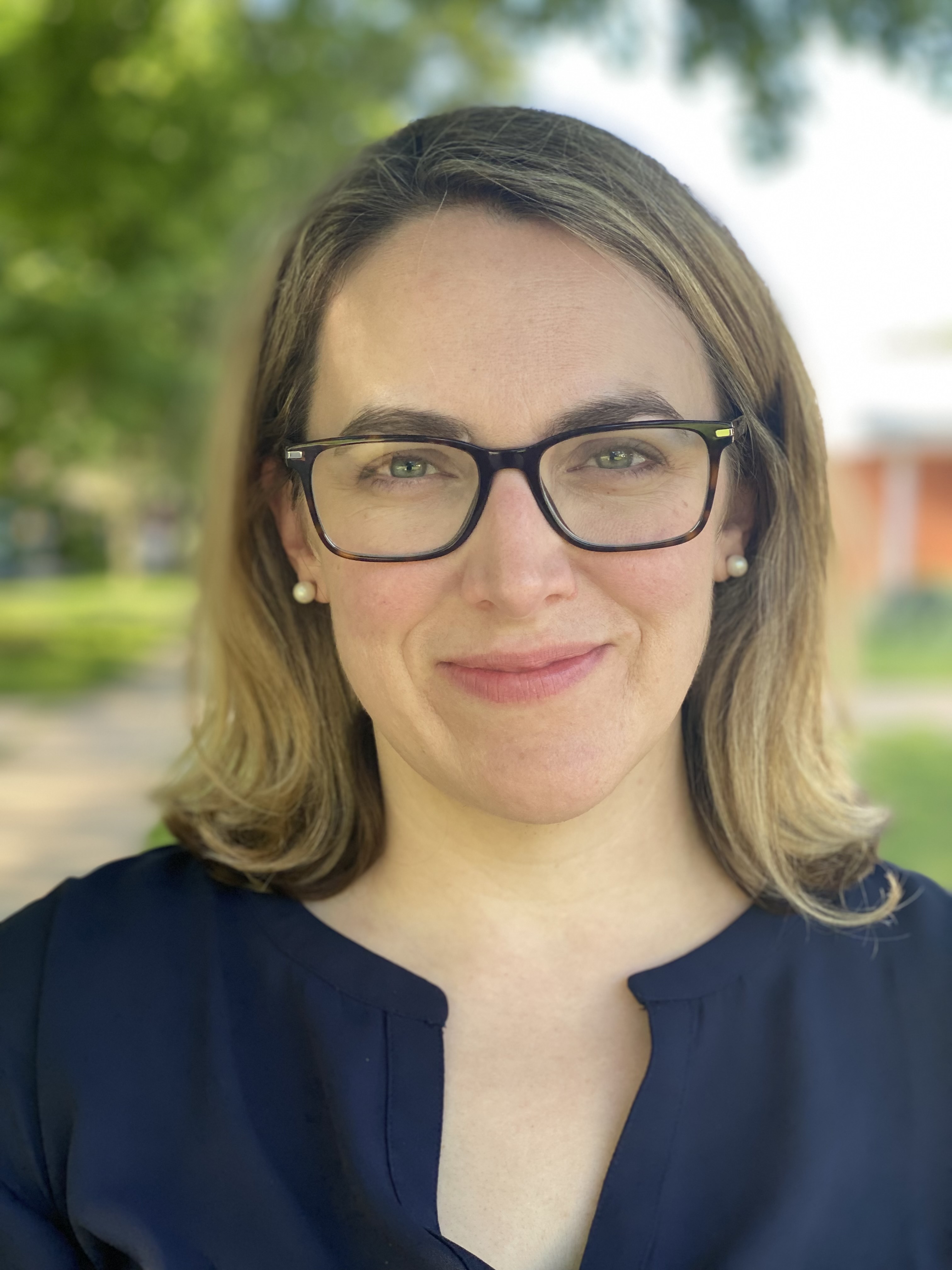
Community Development Director
Johanna is a Chicagoland urban planning and economic development professional with over two decades of experience shaping vibrant communities. She grew up in Evanston and attended Evanston Township High School. She graduated from Loyola University Chicago and holds a Master of Urban Planning and Policy from the University of Illinois at Chicago, with dual specializations in Physical Planning and Economic Development. Earlier in her career, she worked at a real estate and development advisory firm advising municipal clients on development projects as well as at the Center for Neighborhood Technology, a nonprofit focused on urban sustainability. She joined the City of Evanston in 2010, eventually rising to serve as its Community Development Director starting in 2017. During her tenure, she led initiatives ranging from mixed-use development to affordable housing expansion (and successful recruitment of a Trader Joe's). In August 2022, Nyden was appointed Community Development Director for the Village of Skokie, where she leads the Building & Inspection Services, Economic Vitality, and Planning Divisions. She and her family call the Skevanston neighorhood home.


